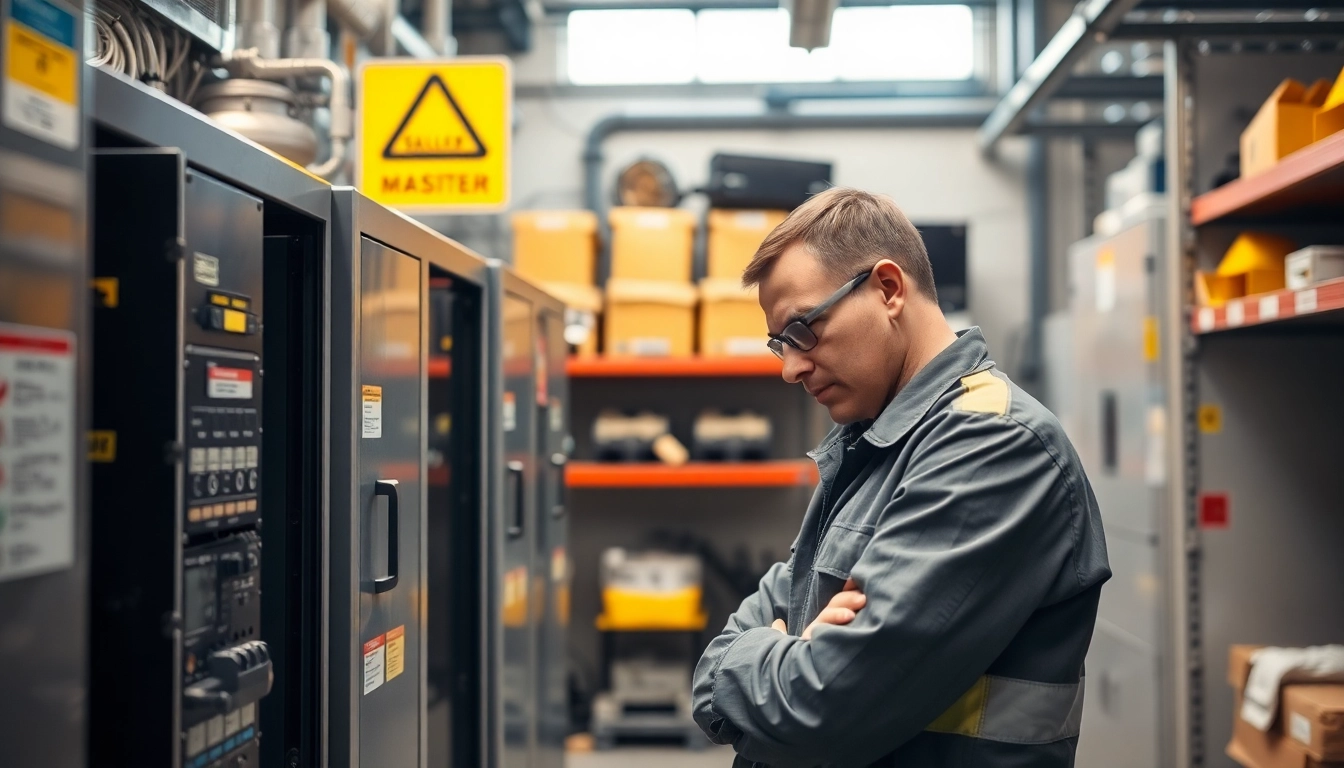

The Evolution of Stainless Steel: What You Need to Know
Stainless steel has become a cornerstone of modern manufacturing and architecture, with its remarkable properties paving the way for innovations across multiple industries. From the sleek aesthetics of contemporary structures to the durability required in industrial applications, stainless steel has adapted to meet the needs of a changing world. Understanding this material’s evolution helps stakeholders make informed decisions about their projects and investments. For brands in the stainless steel sector, such as sumwin, the commitment to quality and innovation is paramount as the industry continues to evolve.
History of Stainless Steel Production
The journey of stainless steel began in the early 20th century when metallurgists discovered an alloy of iron, chromium, and later, nickel, that resisted corrosion and staining. Harry Brearley, an English metallurgist, is often credited with the invention of stainless steel in 1913. His experiments with iron and chromium led to the development of a corrosion-resistant alloy that would revolutionize various industries.
As the years progressed, stainless steel production techniques evolved. The introduction of electric arc furnaces drastically changed the landscape, allowing for the efficient melting and mixing of raw materials. By the mid-20th century, production increased exponentially, catering to a growing demand in sectors like construction, automotive, and consumer goods.
Key Innovations in Stainless Steel Manufacturing
Innovation in stainless steel manufacturing does not rest. Today, advancements in metallurgy and processing have led to high-performance grades that cater to specific needs. For instance, the development of austenitic stainless steels has improved ductility and formability, making them ideal for industries like food processing and medical equipment.
Furthermore, the emergence of advanced welding techniques, such as laser welding, has enhanced the capabilities of stainless steel, allowing manufacturers to develop complex shapes and structures. These innovations have enabled companies like sumwin to offer a diverse range of products, ensuring they meet the demands of their markets effectively.
Environmental Impact and Sustainability Trends
Environmental concerns have prompted the stainless steel industry to adopt more sustainable practices. Manufacturers are increasingly focused on reducing waste and energy consumption. Recycling is a significant aspect of this sustainability trend, with stainless steel being one of the most recycled materials globally. According to the International Stainless Steel Forum, nearly 90% of scrap stainless steel is recycled, reducing the need for virgin materials and lowering the carbon footprint of production.
Companies are also exploring eco-friendly production methods, such as utilizing renewable energy sources in manufacturing processes, further aligning with global sustainability goals.
Understanding Sumwin’s Product Range
Sumwin has established itself as a leader in the stainless steel sector, offering an extensive array of products designed to meet the diverse needs of its clientele. From industrial applications to architectural components, their stainless steel offerings are robust and varied, catering to various specifications and customer preferences.
Overview of Sumwin’s Stainless Steel Offerings
Sumwin’s product range includes various stainless steel pipes, tubes, and fittings in different grades and finishes. Their catalog features welded and seamless options suitable for both high-pressure applications and aesthetic architectural uses. Sumwin specializes in:
- Stainless Steel Round Pipes
- Square and Rectangular Tubes
- Custom Fabricated Components
- High-Strength Titanium Alloys
This diversity allows customers to find the perfect material for their specific projects, whether they are in construction, manufacturing, or engineering.
Comparative Analysis of Sumwin vs. Competitors
While numerous manufacturers produce stainless steel, Sumwin distinguishes itself through a commitment to quality and innovation. Compared to competitors, Sumwin offers:
- A broader selection of specialty alloys tailored for specific applications.
- Advanced quality assurance processes that ensure product consistency and reliability.
- Responsive customer service aimed at providing solutions quickly and efficiently.
This competitive edge highlights the importance of selecting a supplier that not only meets but exceeds industry standards.
Applications and Use Cases of Sumwin Products
Sumwin products find application across various industries, including:
- Construction: Used in building frameworks and facades due to their strength and corrosion resistance.
- Food and Beverage: Ideal for processing equipment, where hygiene and durability are critical.
- Medical: Employed in surgical instruments and equipment, where high-quality standards are mandatory.
These varied applications underscore the flexibility and essential nature of stainless steel in modern manufacturing.
Quality Assurance in Manufacturing
Ensuring high-quality production is vital for any stainless steel manufacturer, and Sumwin adheres to rigorous standards to guarantee that their products meet or exceed expectations. Quality assurance involves multiple aspects of the manufacturing process, each aimed at delivering reliable products to customers.
Standards and Certifications for Stainless Steel
Sumwin conforms to international standards, including ISO 9001 for quality management systems, ensuring that each stage of production—from material sourcing to final inspection—meets stringent criteria. Certifications from renowned bodies further validate their commitment to quality.
Testing and Inspection Methods for Quality Control
To assure product reliability, Sumwin utilizes a range of testing methods, including:
- Ultrasonic Testing for internal flaws.
- Hydrostatic Testing to assess pressure performance.
- Visual Inspection to ensure surface quality.
These methods provide stakeholders with confidence in the products they are receiving, reinforcing Sumwin’s reputation as a trusted supplier.
How Sumwin Ensures Product Reliability
Reliability is at the core of Sumwin’s manufacturing philosophy. By implementing robust supply chain management and integrating advanced technology in their production processes, they minimize risks and ensure timely delivery of high-quality products. Regular audits and feedback from clients play a crucial role in maintaining these standards.
Future Trends in Stainless Steel Manufacturing
Looking ahead, the stainless steel manufacturing industry is poised to undergo significant transformations. Factors such as technology adoption and shifting consumer preferences will shape the future of manufacturing.
Emerging Technologies in the Industry by 2026
As we approach 2026, emerging technologies are expected to revolutionize how stainless steel is produced. Innovations such as artificial intelligence in supply chain optimization, smart factories utilizing IoT for monitoring and maintenance, and advanced robotics for precision fabrication will likely drive efficiency and reduce costs.
Predicted Market Changes and Consumer Demand
Market analysts predict a growing demand for high-alloy stainless steels due to their applications in sectors such as renewable energy, automotive, and aerospace. As environmental regulations become stricter, the need for durable, sustainable materials will increase, positioning companies like Sumwin to capitalize on these trends by developing specialized products.
The Role of Automation and Smart Manufacturing
Automation will play a critical role in enhancing productivity in stainless steel manufacturing. By employing smart manufacturing techniques, Sumwin can optimize their production lines, reduce human error, and ultimately provide products faster without compromising quality.
How to Choose the Right Stainless Steel Supplier
Selecting the right stainless steel supplier can significantly impact project success. Buyers must consider several factors when making this crucial decision.
Factors to Consider When Selecting a Supplier
- Product Range: Ensure the supplier offers a variety of products that meet your specifications.
- Quality Assurance: Investigate the quality standards and certifications that the supplier adheres to.
- Customer Service: Look for a supplier with responsive and knowledgeable customer support.
- Reputation: Research reviews and case studies to gauge the supplier’s reliability and performance.
Benefits of Partnering with Sumwin for Your Needs
Choosing Sumwin as your stainless steel supplier comes with numerous advantages. Their extensive product offerings, commitment to quality assurance, and exceptional customer service set them apart from competitors. Furthermore, their focus on sustainability aligns with the growing trend towards eco-friendly production practices.
Customer Testimonials and Case Studies
Many businesses have benefited from partnering with Sumwin. Testimonials from satisfied customers often highlight the company’s reliability, product quality, and exceptional service. Real-world case studies illustrate how Sumwin’s products have successfully met the unique needs of various projects, reinforcing their role as a leading supplier in the industry.
What is the warranty policy for Sumwin products?
Sumwin offers a comprehensive warranty policy that reflects their confidence in their products. This warranty often covers manufacturing defects and provides customers with peace of mind regarding their investment. It’s essential for clients to review the specifics of the warranty policy to understand the coverage fully.
How can I ensure I am selecting the best stainless steel for my project?
Choosing the right stainless steel requires an understanding of the project requirements. Factors such as environmental exposure, mechanical load, and aesthetic considerations should be assessed. Consulting with industry experts or suppliers like Sumwin can help clarify which grade or type of stainless steel is most suitable for your needs.
What are the maintenance tips for stainless steel products?
Maintaining stainless steel products is relatively straightforward. Regular cleaning with mild detergents and non-abrasive cloths can help preserve the material’s aesthetic and functional qualities. It’s also important to address any signs of corrosion promptly to maintain the integrity of the product.